Updated 6 November 2026 by Gerard Fitzsimons. First published on 13 January 2021.
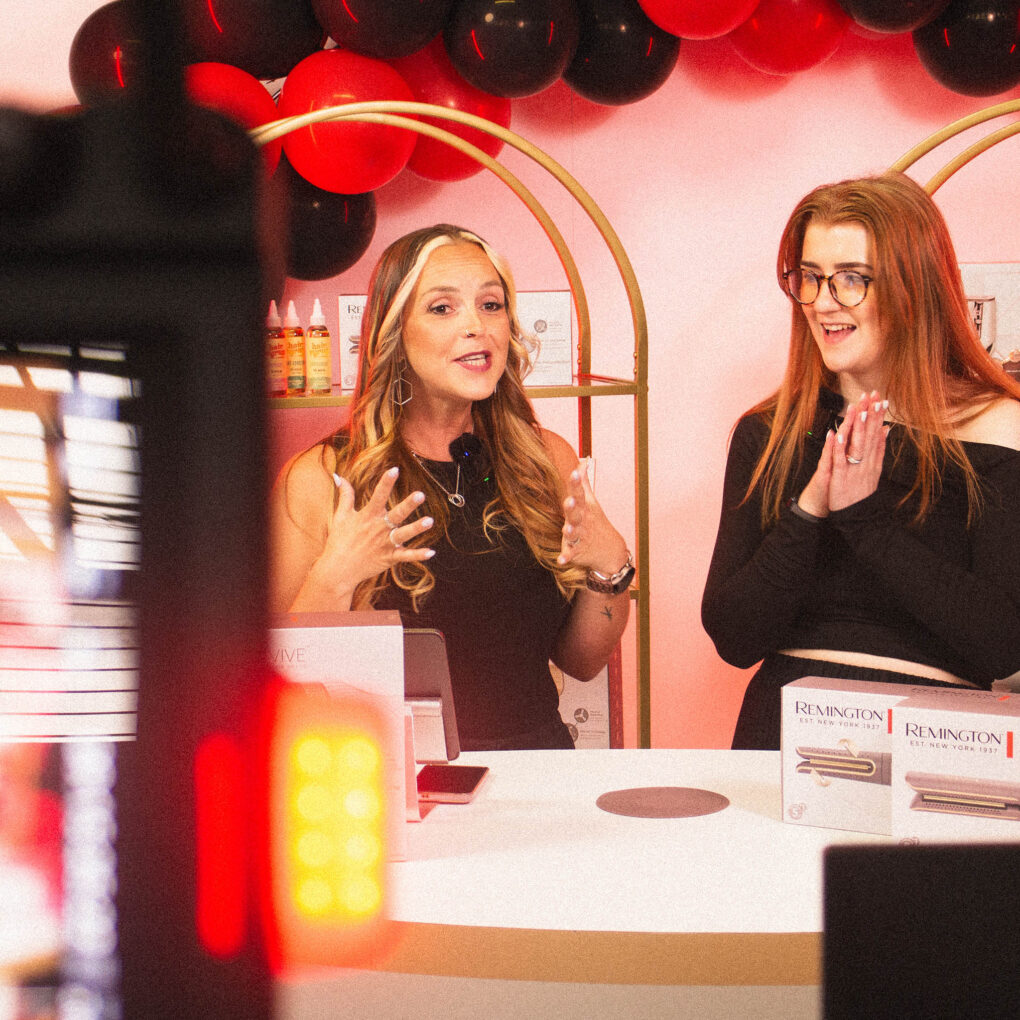
Livestream commerce lets customers watch a product demonstration, ask questions and buy during a live broadcast. It brings some of the useful parts of a shop visit online: seeing how a product works and getting an answer before placing an order.
For an eCommerce brand, the question is whether a live broadcast helps customers make a buying decision. A good broadcast needs suitable products, a host who knows them and a team ready to handle the orders. Views alone do not tell you whether it worked.
How livestream shopping works
A host demonstrates products while viewers ask questions in the chat. On a shopping platform such as TikTok Shop, customers can use product links to buy. Other setups can direct viewers to a brand’s website. The buying journey depends on the platform, so check it before deciding how the show will run.
The broadcast should help people understand the product. Show its size, explain the fit, demonstrate how to use it or compare the options. Give people enough information to decide, including who the product may not suit.
Choose products worth demonstrating
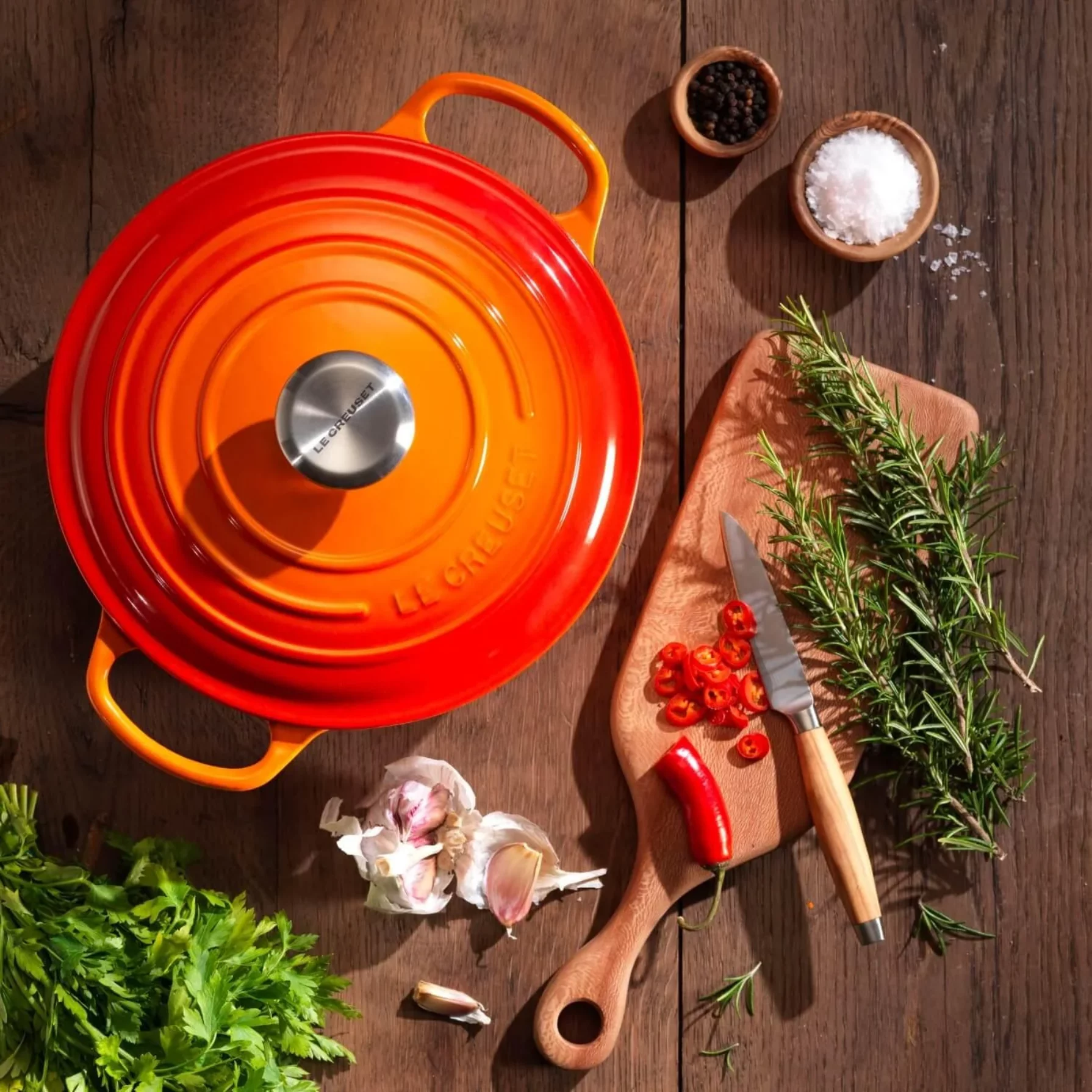
Start with products that benefit from being seen in use or explained. A skincare routine, a piece of cookware or a clothing fit can give the host something useful to show. A long list of unrelated products makes it harder to give each one enough attention.
Before setting the running order, check stock, variants, product information and delivery times. Work out what is left from each sale after discounts, product costs, fulfilment, platform fees, returns and any creator or advertising costs. A busy show can still leave little margin.
Build the show around customer questions
Use the questions your customer service team already receives. What do people need to know about sizing, ingredients, compatibility, care or delivery? Give the host the products and answers in advance, with a clear route for questions they cannot answer on air.
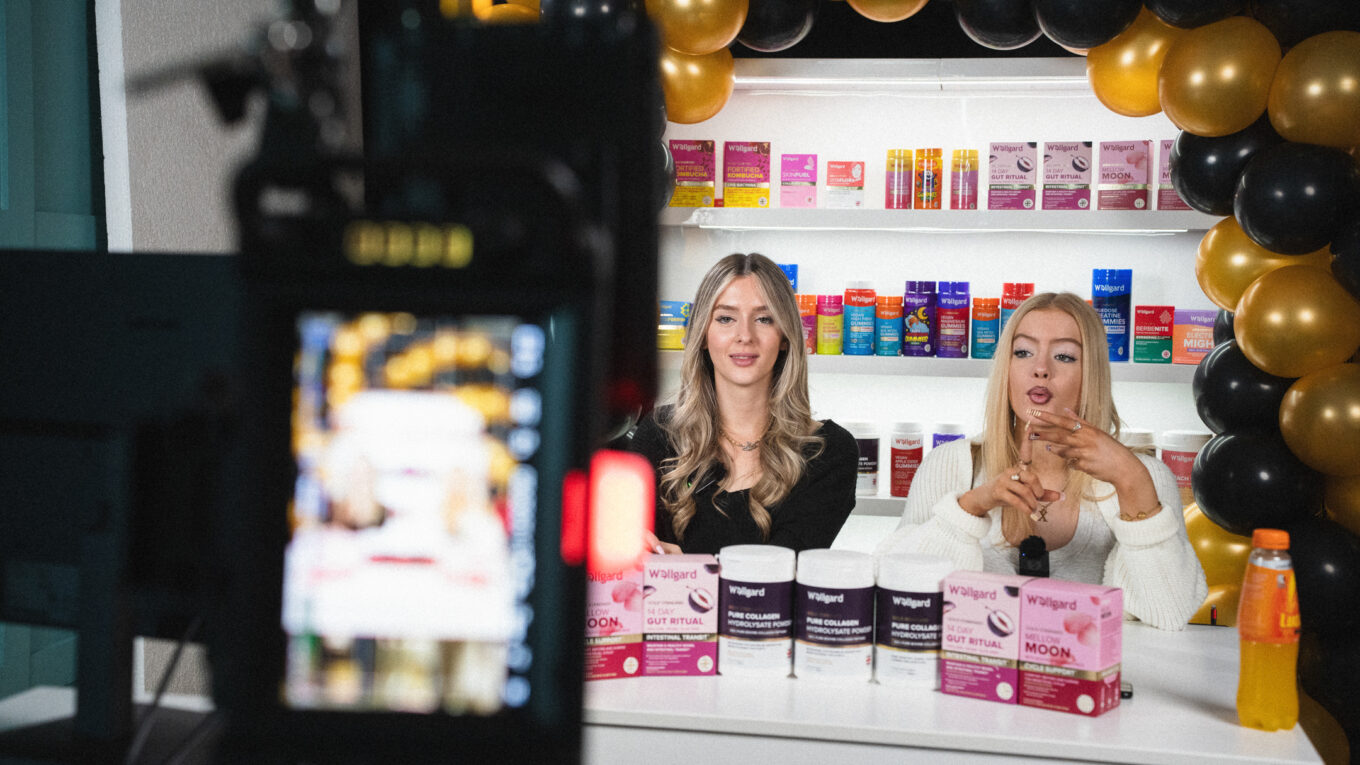
Plan an opening demonstration, a sensible product order and time for questions. Viewers join at different points, so repeat the essential details naturally. Do not rely on everyone having watched from the start.
Give someone responsibility for moderation, product links and stock checks. The host should be able to focus on the demonstration and the audience.
Check the full buying journey
Test the sound, lighting, connection and camera position. Product details need to be clear on a phone screen. Then check the product links, variants, prices and checkout journey, including what customers see about delivery and returns.
Agree what happens if an item sells out, a product link fails or a customer asks about an existing order. Check who will manage fulfilment and customer service after the broadcast. These details affect the customer experience just as much as the show itself.
Plan promotion around the broadcast
Use relevant short videos and creator content to show people what the broadcast will cover and when to join. Give them a reason to watch, such as a useful demonstration or the chance to ask questions about a product.
For TikTok Shop, LIVE GMV Max can support paid promotion. Set the budget and target before the broadcast and check that stock and margin can support the offer. Paid reach will not fix unclear product information or a difficult buying journey.
Measure sales, costs and what customers needed to know
Review product clicks, orders, sales value and cancellations or returns alongside viewing and engagement figures. Include the cost of production, hosts, creators and paid promotion when assessing the result.
Take care with attribution. TikTok says LIVE GMV Max attributes paid and organic conversions in the selected LIVE event. A campaign’s reported sales are therefore not proof that advertising caused every order. Platform revenue and return figures should not be treated as profit.
Also record the questions people asked, the demonstrations that held attention and the points where viewers left. Use that evidence to improve the next show and the product pages customers visit afterwards.
Is livestream shopping right for your brand?
Start with a manageable test, a clear objective and a budget you can assess. Decide in advance what would justify another show. That might be profitable sales, better answers to buying questions or evidence that a particular product works well in a live demonstration.
If you need help planning the products, hosts and production, see our LIVE shopping services. For the wider shop, creator and trading work, explore our TikTok Shop management.